Show Related CategoriesCategory
Hanging
Post Mounted
Wall Mounted
Freestanding
34 Items

Do it yourself Insect hotel. Hammer the box itself together! Is home to various species of insects. Insects need a home, and you can help them out! You can fully craft and glue your own insect hotel. This offers insects the opportunity to hibernate and nest. Insects are useful guests in the garden. Earwigs are natural predators of aphids. Wild bees fertilize flowers. The natural habitat of many insect species is threatened by changes in their environment; an insect hotel is a way to protect them.
Excellent! My daughter loves it. Anonymous. Chesham, GB. Sun Nov 08 2020

By Paper High
Offer solitary bees and other beneficial insects a cosy place to shelter with this beautifully handcrafted teardrop bee and bug nester. Perfect for adding character to your outdoor space, it also makes a thoughtful, eco-friendly gift for nature lovers and gardeners.

By Dakota Fields
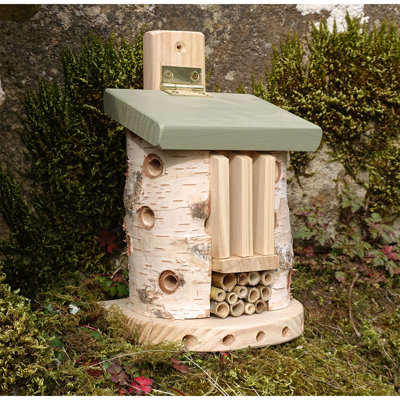
This handcrafted bumblebee house to encourage beneficial insects into your garden. This solitary bee and wasp house provides the ideal nesting habitat for many of the over 200 species of solitary bee found in the UK. Solitary bees hardly ever sting people. They lay their eggs in the tubes which are sealed in with a parcel of food made from either cut leaves or mud. The eggs change to larvae and then pupae which hatch out into new bees the following spring. Ideally, insect houses should be located on a South, South East or South-West facing wall, fence or tree trunk in a sheltered position close to, but not obscured by, vegetation. This insect house was designed in collaboration with the UK's leading insect charity - Buglife.

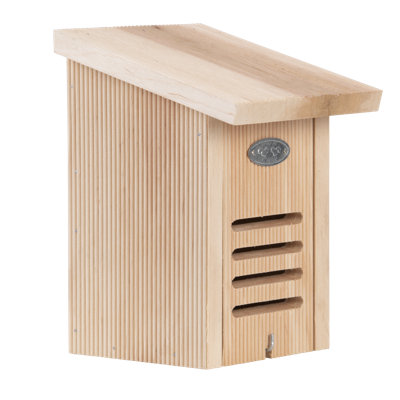
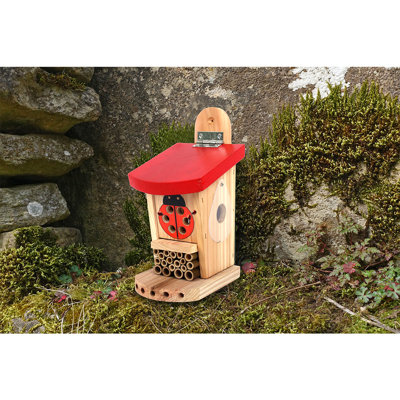
This handcrafted ladybird house to encourage beneficial insects into your garden. This ladybird house provides the ideal nesting habitat for many of the species of ladybirds found in the UK. Ladybirds are the gardener's friend, consuming large quantities of aphids. Can be wall-mounted or located in the ground using the integral ground spike. Ideally, insect houses should be located in a South, South East or South-West facing location in a sheltered position close to, but not obscured by, vegetation. This insect house was designed in collaboration with the UK's leading insect charity - Buglife.
Dawn. Glasgow, GB. Tue Dec 07 2021

By August Grove
Provide a haven for beneficial pollinators with this charming bumblebee and butterfly house . This home's unique design features a slanted roof with an extended overhang and includes a mounting peg for easy installation. This house will make a delightful addition to any outdoor space.

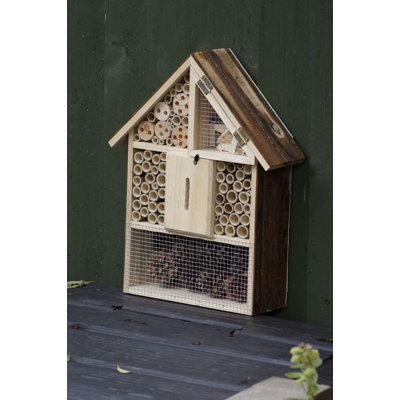
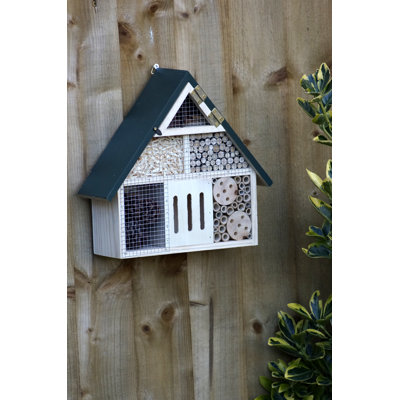
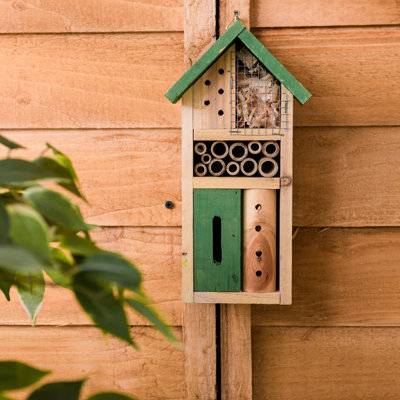
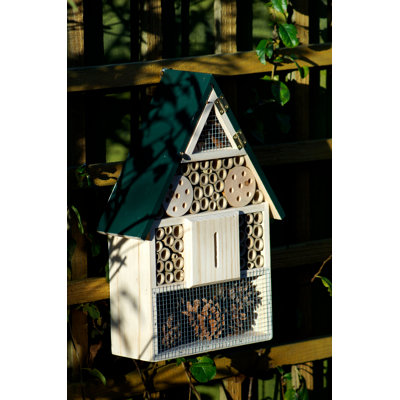
This handcrafted bumblebee house to encourage beneficial insects into your garden. The bamboo tubes provide the ideal nesting habitat for many of the over 200 species of solitary bee found in the UK. They lay their eggs in the tubes which are sealed in with a parcel of food made from either cut leaves or mud. The eggs change to larvae and then pupae which hatch out into new bees the following spring. The chamber with the slotted entrance provides shelter for moths and butterflies, many of which hibernate over winter. The pine cones provide the perfect shelter for ladybirds, the scourge of aphids. The mesh has been designed to permit access to native ladybirds only, and not the slightly larger, invasive Harlequin ladybirds which prey on our natural species. The section with blocks opens so that you can add leaf litter in the autumn, which acts as good overwinter habitat for another predator of aphids, the lacewing. Ideally, insect houses should be located in a South, South East or South-West facing location in a sheltered position close to, but not obscured by, vegetation. This insect house was designed in collaboration with the UK's leading insect charity - Buglife.
Helen. Thu Aug 19 2021

By Dakota Fields
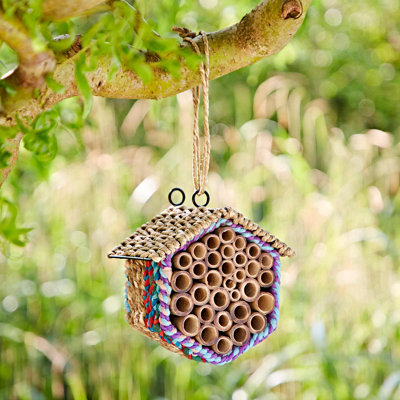
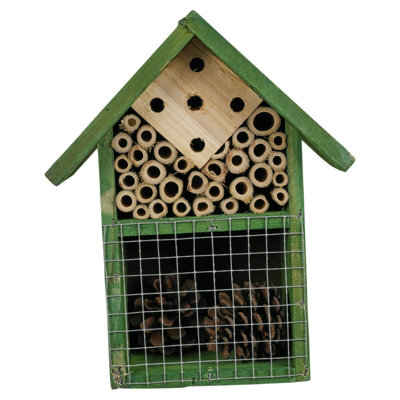
This handcrafted bumblebee house to encourage beneficial insects into your garden. The bamboo tubes provide the ideal nesting habitat for many of the over 200 species of solitary bee found in the UK. Solitary bees hardly ever sting people. They lay their eggs in the tubes which are sealed in with a parcel of food made from either cut leaves or mud. The eggs change to larvae and then pupae which hatch out into new bees the following spring. Ideally, insect houses should be located in a South, South East or South-West facing location in a sheltered position close to, but not obscured by, vegetation. This insect house was designed in collaboration with the UK's leading insect charity - Buglife.

By Fallen Fruits
Besides the honey bee, Europe has hundreds of other bee species. These bees are very important in the pollination of flowers and plants. Whether you have wild plants, food crops, fruit trees or ornamental plants in the garden, 80% of these rely on insects for their fruit and seed formation. Many species are endangered due to the decline in flora and nesting facilities. This bee house is equipped with bamboo straws with different diameters so that various types of wild bees can nest here. A female bee makes several cells in a bamboo straw containing an egg and some pollen and nectar for the larva. Hang this bee house in a sunny, south-facing spot.

By Fallen Fruits
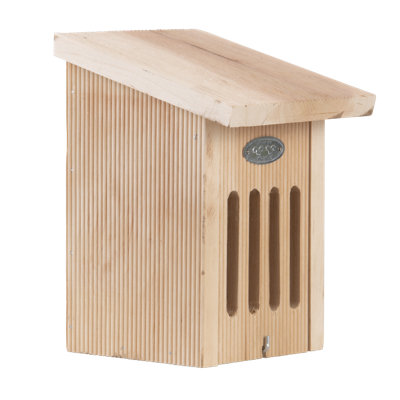
On the beautiful hot and sunny days during summer you will see butterflies everywhere. On cold days, however, they tend to keep hiding. This house is the ideal hiding place for butterflies to seek shelter in bad weather conditions. In addition, they can use the box to hibernate. To make the butterflies more comfortable, you can place a handful of twigs in the box so that the butterflies can hang onto the twigs whilst using the house. Four drainage holes in the bottom. Sides enclose the floor to prevent water coming in. Packed in a full colour gift box

By Paper High
Give solitary bees and other beneficial insects a cosy place to shelter with this beautifully handcrafted bee and bug nester. Perfect for anyone who loves wildlife, this unique nester not only supports local pollinators but also makes a thoughtful, eco-friendly gift.

By Dakota Fields
This handcrafted bumblebee house to encourage beneficial insects into your garden. This solitary bee and wasp house provides the ideal nesting habitat for many of the over 200 species of solitary bee found in the UK. Solitary bees hardly ever sting people. They lay their eggs in the tubes which are sealed in with a parcel of food made from either cut leaves or mud. The eggs change to larvae and then pupae which hatch out into new bees the following spring. Ideally, insect houses should be located in a South, South East or South-West facing location in a sheltered position close to, but not obscured by, vegetation. This insect house was designed in collaboration with the UK's leading insect charity - Buglife.

By Dakota Fields
This handcrafted bumblebee house encourages beneficial insects into your garden. The bamboo tubes provide the ideal nesting habitat for many of the over 200 species of solitary bees found in the UK. They lay their eggs in the tubes which are sealed in with a parcel of food made from either cut leaves or mud. The eggs change to larvae and then pupae which hatch out into new bees the following spring. The chamber with the slotted entrance provides shelter for moths and butterflies, many of which hibernate over winter. The pine cones provide the perfect shelter for ladybirds, the scourge of aphids. The mesh has been designed to permit access to native ladybirds only, and not the slightly larger, invasive Harlequin ladybirds which prey on our natural species. The section with blocks opens so that you can add leaf litter in the autumn, which acts as good overwinter habitat for another predator of aphids, the lacewing. Ideally, insect houses should be located in a South, South East, or South-West facing location in a sheltered position close to, but not obscured by vegetation. This insect house was designed in collaboration with the UK's leading insect charity - Buglife

By Dakota Fields
This beehouse offers the perfect nesting accommodation for several species. A female bee makes in the cardboard straw, several cells with one egg and a mixture of pollen and nectar to feed the larvae. Hang this beehouse in a sunny spot facing.

By Fallen Fruits
Apart from being a joy to watch, ladybirds are extremely useful creatures. An adult ladybird eats about 100 aphids per day, which is a good reason to make them comfortable in your garden. The ladybird house is designed to allow ladybirds to shelter whilst keeping out other likely inhabitants or predators and ladybirds can access it easily. Ladybirds often hibernate in a group together and it is advisable to put some leaves or a corrugated carton roll inside to make them feel at home. Also, frozen ladybird larvae can be put into this house for biological control of aphids. Four drainage holes in the bottom. Sides enclose the floor to prevent water coming in. Packed in a full colour gift box

By Dakota Fields
This handcrafted bumblebee house to encourage beneficial insects into your garden. The bamboo tubes provide the ideal nesting habitat for many of the over 200 species of solitary bee found in the UK. They lay their eggs in the tubes which are sealed in with a parcel of food made from either cut leaves or mud. The eggs change to larvae and then pupae which hatch out into new bees the following spring. The chamber with the slotted entrance provides shelter for moths and butterflies, many of which hibernate over winter. The pine cones provide the perfect shelter for ladybirds, the scourge of aphids. The mesh has been designed to permit access to native ladybirds only, and not the slightly larger, invasive Harlequin ladybirds which prey on our natural species. The section with blocks opens so that you can add leaf litter in the autumn, which acts as good overwinter habitat for another predator of aphids, the lacewing. Ideally, insect houses should be located in a South, South East or South-West facing location in a sheltered position close to, but not obscured by, vegetation. This insect house was designed in collaboration with the UK's leading insect charity - Buglife.

By Dakota Fields
Rated 4.7 out of 5 stars41 total votes
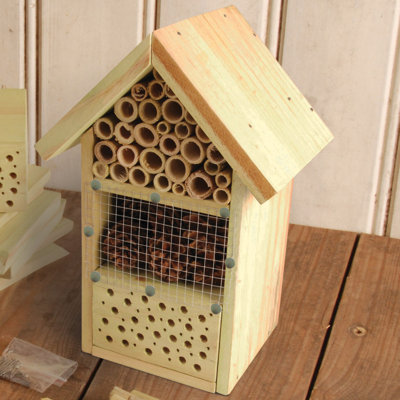
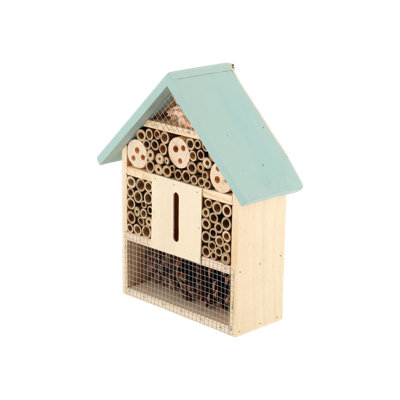
Be bug friendly with this excellent compactInsect Cottage Hanging/Free Standing House. Made from solid pine wood it has many different environments to tempt a myriad of different insects to choose your garden to set up home, or just to have a rest. A variety of sizes of tubes and holes for solitary bees - one of the best pollinators - and wasps. Vertical slot for butterflies (add diagonal twigs to this for them to hang). Horizontal slots for ladybirds and lacewings. Bark and wood shavings are ideal for ladybirds, earwigs, and ants. Can be hung on a wall or fence or be free-standing.
It was very well made and it was a perfect gift. Lynn. Wakefield, GB. Sat Feb 08 2020

By Dakota Fields
The solitary bumblebee house is an interactive solitary bee habitat constructed in durable FSC certified timber with stacking trays which can be opened for inspection and cleaning. Always a friend to the gardener, attracting solitary bees to the garden is not only safe but beneficial to the pollination of flowers, fruit and vegetables.

This insect hotel is a perfect environment to attract and provide shelter to insects of all shapes and sizes. It is made from wood and almost looks like a little home. It has many gaps and access points for insects and once get inside the insects are treated to a couple of acorns to keep them coming back. The hotel comes with a hook at the back for hanging. It is perfect for beginners who are interested in wildlife and nature.
Perfect little bug house! My little boy has loved this in the garden!. Georgia. Chesterfield, GB. Wed Jun 10 2020

By Dakota Fields
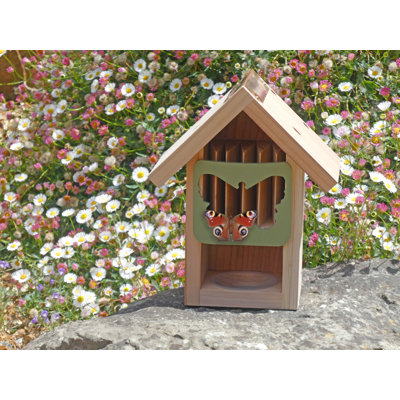
The butterfly house provides a summer and winter house for butterflies. In summer use the habitat as a butterfly feeder with the nectar-feeding tray folded down to allow butterfly food and sweet ripe fruit to be served to your butterflies. In winter the tray can be folded up to make a cosy over-wintering home for non-migratory butterflies.

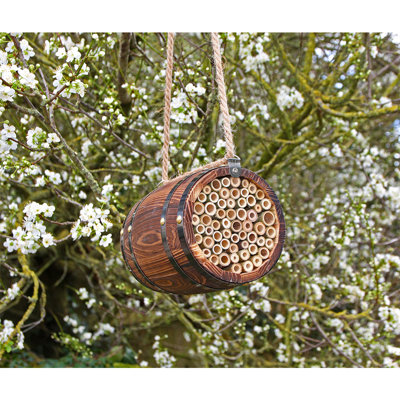
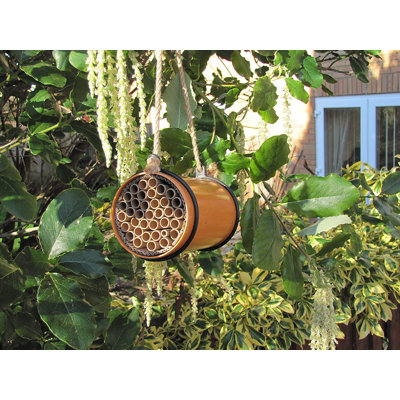
The gift of connects you to the natural world of pollinating bees. Just hang the bee barrel in your garden & watch as the empty canes get filled up with ‘baby bees’ during the Summer months. Then next Spring marvel as the next generation of adult bees emerges to continue the cycle of life. Attracting solitary bees to the garden is not only safe but beneficial to the pollination of flowers, fruit and vegetables. Solitary bees are born pollinators! The hole sizes of this bee barrel are perfect for non-swarming bees like the Red Mason Bee, Leafcutter Bee and other solitary bees. These friendly bees are industrious and safe around children and pets as they are unlikely to sting.
Very good quality and looks very nice!! Lovely decoration in my garden - just waiting for bees to make it their home ). Sylwia. Bristol, GB. Sat May 30 2020

By Archie & Oscar
Insects have many important tasks in our gardens. They pollinate plants and act as a natural pest controller. This house will offer solitary bees, ladybirds and other insects a nesting and wintering facility.

By Dakota Fields
Globally, abundant agricultural wastes are being generated each day to fulfil the increasing demands of the fast growing world population. A lot of time, energy and water goes into growing agricultural crops, yet much of the resulting plant goes unwanted. Earthy products are processed using the agricultural natural waste and a resin creating a truly sustainable range of products.The agricultural waste used is: Bamboo, Rice hull, straw, coffee husk and nuts.Frost proof, for indoor or outdoor use; a non animal derived product, 100%vegan friendly and sustainable. Earthy Sustainable Butterfly House (16cm) Hanging height is 22cm. Overall measurements: D14 x H12 x W16cm

By Dakota Fields
This butterfly house providing a safe home for many types of butterflies. Part of the charming new barn range, the pretty butterfly house provides a safe home for all types of butterflies, moths and lacewings in your garden. designed to attract, not only butterflies but also many other species of pollinating insects to take shelter and create their homes in the various crevices. Many other insects may feed on the butterfly house if you fill-up the reservoir at the bottom with a solution of butterfly food. Recipes can be found for this online. The recycled plastic door swivels, allowing access to the nesting compartment for cleaning and to carefully observe species during cooler weather. Produced from sustainably managed, FSC certified wood, with a recycled second-life plastic frontage, this butterfly house comes in an attractive gift box and is easy to put up and care for. This product is produced from sustainably managed forests and the plastic board used is recycled.

By Dakota Fields
Most species of bees are solitary in nature and do not form hives and colonies like honeybees. Likewise, many insects prefer to find solace in old cavities in plant stems or underground. These bees, insects and other wildlife are extremely important to the habitat and garden, providing important services like pollination. The bee and insect hotel range provides safety, shelter and habitat for a full range of bees, insects and other small wildlife including spiders.

By Dakota Fields
Most species of bees are solitary in nature and do not form hives and colonies like honeybees. Likewise, many insects prefer to find solace in old cavities in plant stems or underground. These bees, insects and other wildlife are extremely important to the habitat and garden, providing important services like pollination. The bee and insect hotel range provides safety, shelter and habitat for a full range of bees, insects and other small wildlife including spiders.

By Archie & Oscar
Insects have many important tasks in our gardens. They pollinate plants and act as natural pest controllers. This house will offer solitary bees, butterflies, and other insects a nesting and wintering facility.- suitable for bees, butterflies, and other insects- can be used as a nesting and wintering place- with hanging hook

By World Menagerie
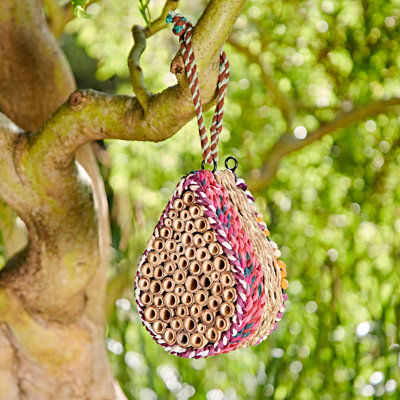
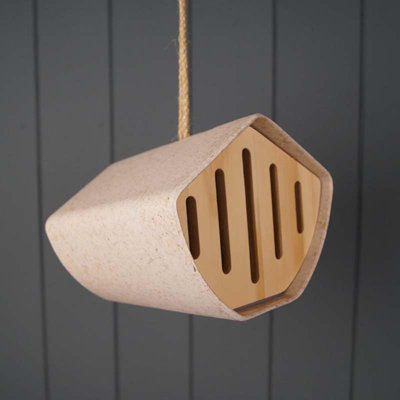
The eco-friendly Eco Bee Nester is our latest addition to our solitary bee hive collection. They are designed to attract and care for solitary bees in your garden. Solitary bees are the least well-known of our bees in Britain, but they are fantastic pollinators, and they're great to encourage into your allotment, veg patch, borders, fruit trees and flower beds. We have around 270 species of bee in Britain, including the honey bee and bumblebees. Just under 250 of these species are actually solitary bees and come in all shapes and sizes. The Bee Nester is made for Mason Bees and Leaf Cutter Bees, who will use the tubes to lay their eggs each spring and summer, closing up the tubes with either mud or leaves. What's unique about our Bee Nester? It is designed and made from natural, environmentally friendly materials, making it kind to nature and for nature. The Eco Nester is formed from natural plant fibres with almost zero waste pollution during production. Once it reaches the end of its life, it can even be degraded into fertiliser. The pretty colour blends into flower patches and gardens, and the rustic hanging string is durable and long-lasting. The internal nesting tubes can be replaced yearly, making this a long-term investment for your local bees. Siting Your new Bee Nester should be hung anywhere between ground level and two metres in height. The bees need a clear pathway to the tubes, so try not to nestle it into too much vegetation. But it is a good idea to plant some nectar-rich flowers and plants nearby to feed the bees. Keep the Nester in a sheltered spot, away from prevailing winds and rain. Ideally, you want the front of the Nester facing the morning sunshine so that it warms up through the day. You can also angle it slightly downwards to prevent rainwater from trickling inside. As autumn approaches and solitary bee numbers reduce, you can fit the front guard on to act as a predator guard to stop woodpeckers from taking the eggs. Height 9.5 cm x Width 9.5 cm x Depth 16 cm
By Dakota Fields
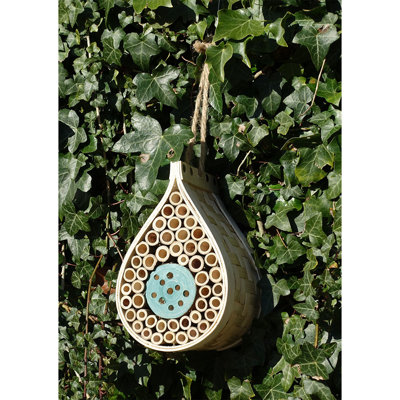
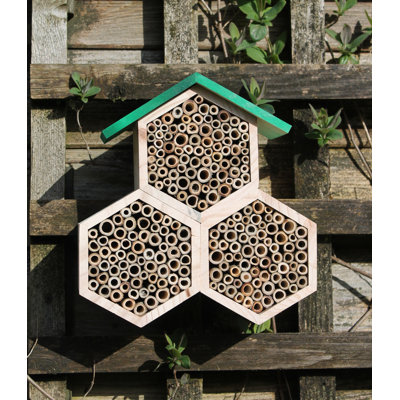
The bee & bug house provides nesting tubes for solitary bees and shelter for other beneficial insects in your garden. The bee & bug house is made from FSC certified timber with a decorative woven bamboo finish around the sides of the bee & bug house. The centre contains bamboo nesting tubes and a pretty aqua blue drilled log ideal for solitary bee nesting. The bee & bug house house should be hung in a sheltered sunny position, preferably catching some early morning sun which will warm the emerging adult bees when they hatch out in springtime.

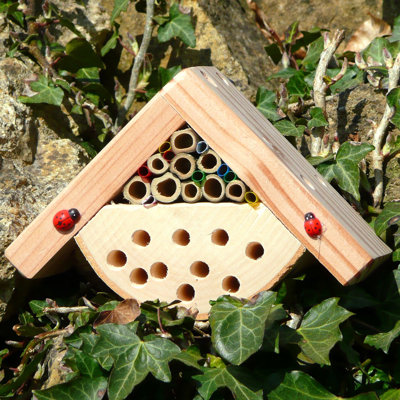
This ladybird house has lots of different textures, crevices and hollows making it a multi-species home. You may attract ladybirds, lacewings, solitary bees and possibly over-wintering butterflies too
nettes Häuschen . Gabriele. DE. Sat May 16 2020

By Dakota Fields
Bobby’s bug box is a small functional habitat specifically designed for children. It has canes and drilled holes to provide homes for different garden bugs and pollinators. The bug box provides overwintering habitat for insects like ladybirds. Ladybirds are the gardeners’ friends and eat aphids. Additionally, it is a home for the young of gentle solitary bees who are wonderful garden pollinators. Hang your bug box using the metal loop and observe who comes to stay? Bobby’s bug box comes in a gift box. Also included is a magnifying glass and activity book all about bugs. It makes an ideal present for budding conservationists! Made using sustainable FSC certified timber from carefully managed forests.

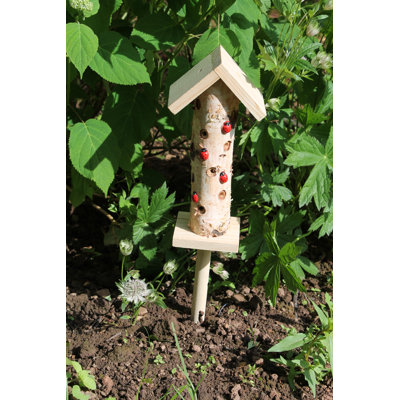
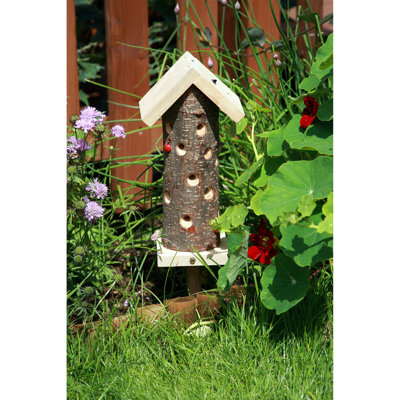
The first and original ladybird tower was designed by us and much-copied ever since. Beware of facsimiles that don’t even have the hollow central core for the ladybirds to shelter in our ladybird towers ladybirds and other beneficial insects are made from naturally air-dried FSC-certified timber logs and the appearance may vary. Each tower is cleverly constructed to provide a hollow central chamber filled with straw to provide insulation and security for beneficial insects. Access to the central chamber is provided by paths drilled through the sides of the log. The central chamber is protected by the apex roof. The ladybird tower comes with a ground pole (fixed at the rear for transport). This allows the ladybird tower to be sited into lawns, sheltered flower beds, wooded glades, or even in planters. To encourage occupation of the tower by ladybirds you can smear ladybird food on the entrance holes. The slow-seasoned naturally durable timbers require no chemical preservatives that might deter the occupation of your ladybird tower.
It's just what I need I don't have a garden just a small balcony as I love wildlife I'm am doing my best to encourage them a safe haven this beautifully made ladybird house fits the purpose brilliant. Suzanne. London, GB. Fri Jul 09 2021

The ladybird house is designed as a safe retreat for beneficial insects. By encouraging natural predators into your garden you can avoid the use of garden chemicals and be kind to the natural world.
Lovely little house, we managed to get ladybirds and food to go in it. My granddaughter loves it as very into ladybirds at present. Good quality and value. Susan. Snodland, GB. Tue May 12 2020

Part of charming new barn range, this pretty bumblebee house provides a safe home for all types of friendly solitary bees in your garden. Produced from sustainably managed, FSC-certified wood, with a recycled second-life plastic frontage, this bumblebee house comes in an attractive gift box and is easy to put up and care for. The bumblebee house is designed to attract, not only solitary bees but also many other species of pollinators and insects to take shelter and create their homes in the various sections. Many other pollinators may nest in the bee barn but they will require some nesting material to be added to the lower compartment as they often like to adopt ready-made nests from other creatures, such as birds. The recycled plastic door swivels, allowing access to this compartment. For best success please hang your bumblebee house on a south or south-east facing the wall, to receive the morning sun.
Perfect. Alison. Torquay, GB. Thu May 09 2024